Say It Again: The Quiet Cost of Getting Someone's Name Wrong
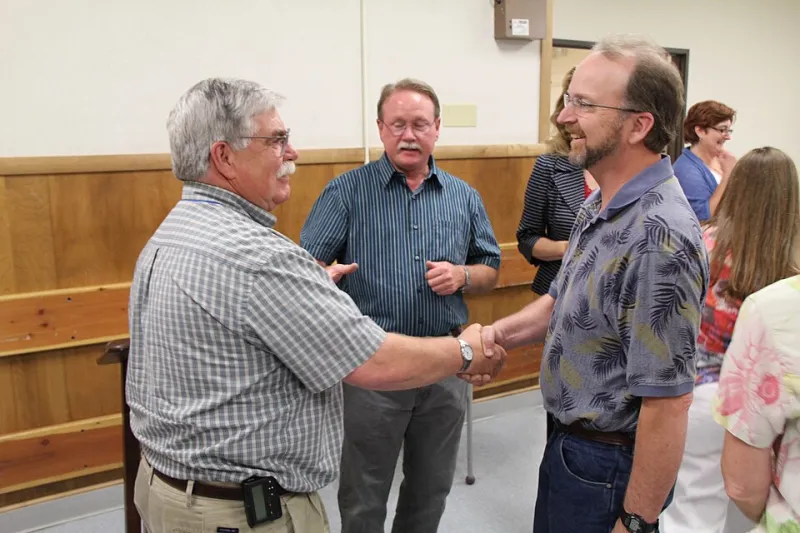
Photo: Forest Service Northern Region from Missoula, MT, USA, Public domain, via Wikimedia Commons
It happens in a classroom, a conference room, a doctor's office, a coffee shop. Someone reads a name off a list and gets it wrong. Maybe the vowel is flattened. Maybe the emphasis lands on the wrong syllable. Maybe a letter that looks familiar gets swapped for a sound that is not. And for a split second, the person whose name it is makes a face.
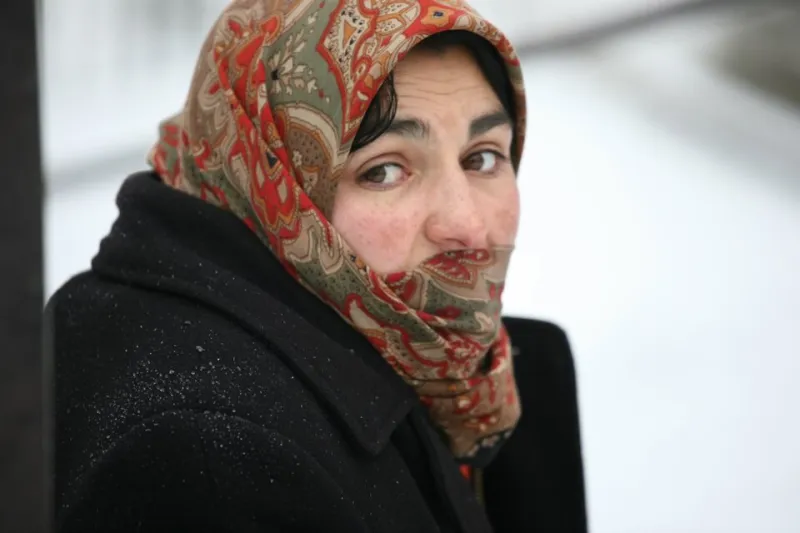
It is not a big face. It is a micro-flinch. A blink. A small tightening around the mouth. Then the smile resets, and the person has to decide: correct them, or let it go?
That moment is one of the most common and least discussed rituals of American public life. Names are supposed to be simple. They are not. And the labor of explaining yours, over and over, is a kind of work that rarely shows up on a timesheet.
The Split Second
When someone mispronounces your name, the first thing you feel is not always anger. Often it is a quick calculation. How much time do I have? How important is this person? Will correcting them make me seem difficult? Will letting it go make me feel invisible?
For people with names that are common in their families and uncommon in the room, this calculation is muscle memory. They have been doing it since elementary school. They know the substitute teacher pause. They know the dentist's receptionist squint. They know the Zoom host who says, I'm sorry, I'm going to butcher this, and then does.
Sometimes the correction is easy. It's pronounced like this. Sometimes it is not. It requires a mini lesson in phonics, a reference to a country, a family story, a spelling that does not match the sound. And sometimes the person on the other end responds with a joke, a comment about how hard the name is, or a long story about a friend who has a similar name. Suddenly the person with the name is managing someone else's discomfort.
Correct Them or Let It Go?
There is no universal answer. Some people correct every time. Some people have a Starbucks name, a work name, a name they use with people who will never get it right. Some people decide that the doctor's office is not the place for a lesson, but the classroom is. Some people are tired. Some people are not.
What looks like a simple choice is actually a negotiation about belonging. To correct someone is to ask to be seen accurately. To let it go is to protect the peace of the room. Both are reasonable. Both cost something.
The cost is not always dramatic. It is the small exhaustion of being the one who has to explain. It is the way a mispronounced name can make a person feel like a guest in their own workplace. It is the message, sometimes unintentional, that your name is an inconvenience rather than a fact.
The Labor of the Pause
Schools are where this labor often begins. Roll call is a daily ritual of anticipation for kids whose names do not fit the teacher's tongue. Some kids raise their hand before the teacher finishes. Some kids answer to a wrong name because it is faster. Some kids learn to shrink their names to make them easier for other people to hold.
Workplaces have their own version. The email signature with a phonetic guide. The Slack profile with a pronunciation link. The meeting where someone says, I'll just call you Chris, and the person who is not Chris has to decide whether to laugh. Doctor's offices add another layer: a name read aloud in a waiting room is a public announcement, and getting it wrong can feel like being misidentified at the exact moment you are already vulnerable.
This is not about policing every mistake. Everyone fumbles sometimes. Accents exist. Unfamiliar sounds take practice. The problem is not the first wrong attempt. The problem is the pattern — the refusal to try, the insistence that the name is too hard, the way the burden lands on the person whose name was never the problem.
What a Better Introduction Looks Like
A more thoughtful introduction culture is not complicated. It starts with asking. How do you say your name? Then listening. Then trying again. It means writing down phonetic cues if that helps. It means not making a joke about how bad you are at names. It means saying, I want to get this right, instead of, I'll never get this right.
It also means noticing the face. The split-second expression is information. It tells you whether someone has been bracing for this moment all day. It tells you whether they are tired of teaching. It tells you that a name is not a hurdle to clear before the real conversation begins. The name is part of the person.
At Faces of Yve, we believe every face holds a story worth telling. A name is one of the first stories we are given. It carries family, history, migration, faith, creativity, and choice. Getting it wrong is human. Getting it right, or genuinely trying to, is a small act of belonging.
So say it again. Ask how. Try again. And watch what happens when the flinch does not have to come.