Rest in Peace, Yearbook Me: The Quiet Grief of Outgrowing Your Own Face
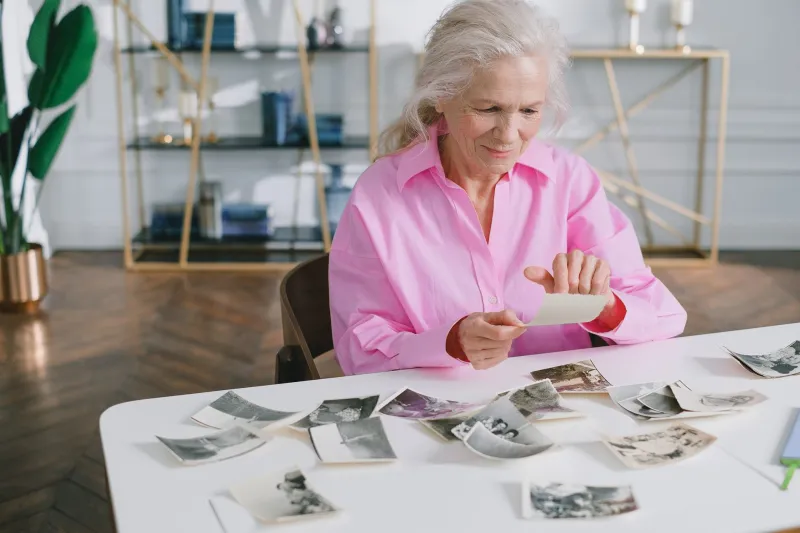
There's a photo of Denise Alvarez, 44, taped inside her late mother's recipe box. It's from 1997 — big smile, frosted lip gloss, the whole Ohio suburb of her seventeenth year living on her face. Denise keeps it there, she says, "because that's the version of me my mom still sees when she looks at me. And some days, honestly, I miss her too."
Denise isn't unusual. She's just unusually honest about something almost all of us do: we grieve the faces we used to have. Not the people — the people are still here, buying groceries and sitting in traffic. But the face, the specific arrangement of collagen and certainty that existed before the kids, the layoff, the chemo, the divorce papers signed at a kitchen table in Dayton — that face can feel like someone we lost.
The Archive Problem
Americans are world-class archivists of their own pasts. Yearbooks, wedding albums, the camera roll from 2014 we can't bring ourselves to delete. Every era of our faces is preserved at museum quality, which means every era of our faces is available for comparison at 2 a.m.
Dr. Priya Raman, a psychologist in Austin who works with patients navigating body changes after illness and major life transitions, sees the pattern constantly. "People come in saying they don't recognize themselves, but underneath that is often something more like a loss they feel guilty about naming," she says. "You're allowed to miss a version of yourself. That's not vanity. That's grief."
The guilt is the interesting part. We have rituals for losing people — casseroles, funerals, black clothing. We have almost nothing for losing a self. So the mourning goes underground and comes out sideways: as a sudden inability to look at old photos, or the opposite, an obsessive re-scrolling through them. As cosmetic procedures framed as "refreshing" when what's really being requested is a resurrection. As a strange flatness at the class reunion, standing next to people who knew the face you no longer wear.
Before and After the Before
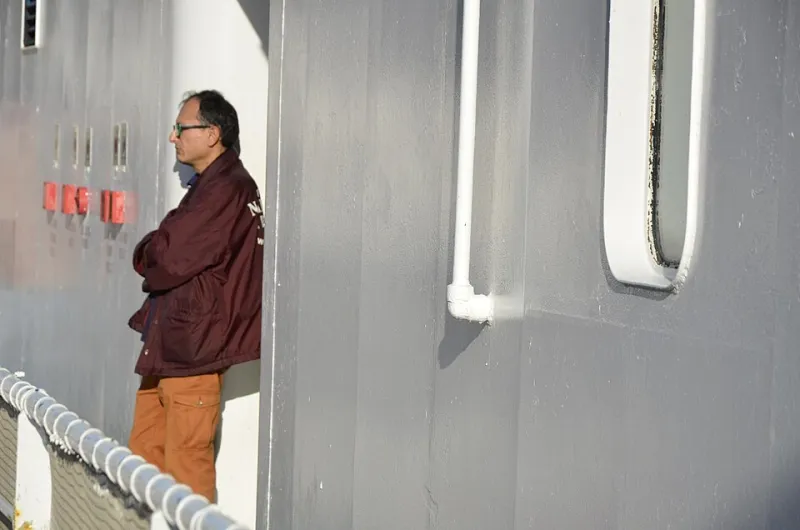
Not all face-grief is about aging, either. Marcus Bell, 38, a firefighter from Georgia, talks about the version of himself that existed before a rescue call went wrong and left him with a burn scar along his jaw. "People say things like 'you look tough,' and they mean well," he says. "But I remember the face that was there before. I dream with that face."
For others, the old face is bound up in something they don't miss at all. Some survivors of abusive relationships describe looking at pre-relationship photos and seeing a face that was already learning to make itself small. For them, the new face — older, heavier, lined differently — is evidence of escape. The grief and the relief can live in the same photo, which is its own kind of disorienting.
Letting the Face Retire
So how do people actually make peace? The folks we spoke to described something less like acceptance and more like a slow, unglamorous negotiation.
Denise's turning point came when she stopped treating old photos as evidence of decline. "I started looking at that girl in the recipe box like she was my niece instead of my competition," she laughs. "She's doing great. She's seventeen. She doesn't need me to be her."
Marcus says his peace arrived through other people's faces. "Kids at the hospital don't flinch at my scar. They ask about it, I tell the story, and somewhere in the telling it stops being a loss and starts being a map."
There's a theme in these accounts: the old face makes peace with you when you stop asking it to come back. Grief researchers call it continuing bonds — the idea that healthy mourning isn't about forgetting what you lost but about building a new relationship with it. Maybe that's what the shoebox photos are for. Not a taunt. A correspondence.
The face you had at seventeen is not coming back, and that's the deal you signed without reading the fine print. But here's what nobody tells you at the signing: the face you have now is the one that got you through everything that changed it. Every line is a receipt. Every change is proof of attendance.
Rest in peace, yearbook me. You did your shift. The rest of us are trying to do ours.