Stop Smiling: The Americans Done Performing Happiness on Command
Let's start with the phrase itself. "You should smile more."
If you've heard it, you know the particular flavor of it — the way it arrives uninvited, usually from someone with very little at stake in the interaction, and lands somewhere between a suggestion and a command. You also probably know the calculation that follows: Do I smile? Do I explain? Do I just keep walking?
For a lot of Americans, that calculation has been running in the background their entire lives. And a growing number of them are deciding they're done running it.
The Smile as Social Currency
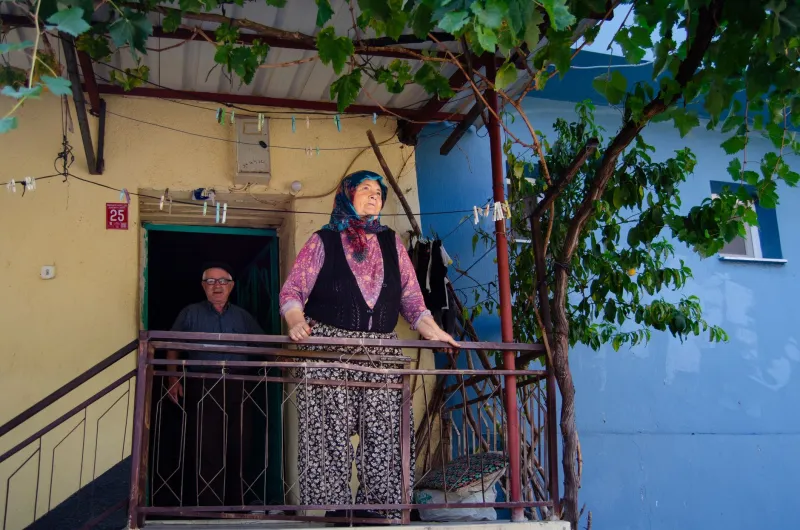
America has always had a complicated relationship with cheerfulness. We are, culturally speaking, a nation that treats approachability as a virtue and emotional neutrality as a problem to be solved. Customer service industries built entire training programs around it. Job interviews penalize candidates who don't project warmth. And for generations, certain people — women, Black Americans, service workers, immigrants trying to assimilate — have been required to smile not just more, but constantly, as a condition of being accepted in public spaces.
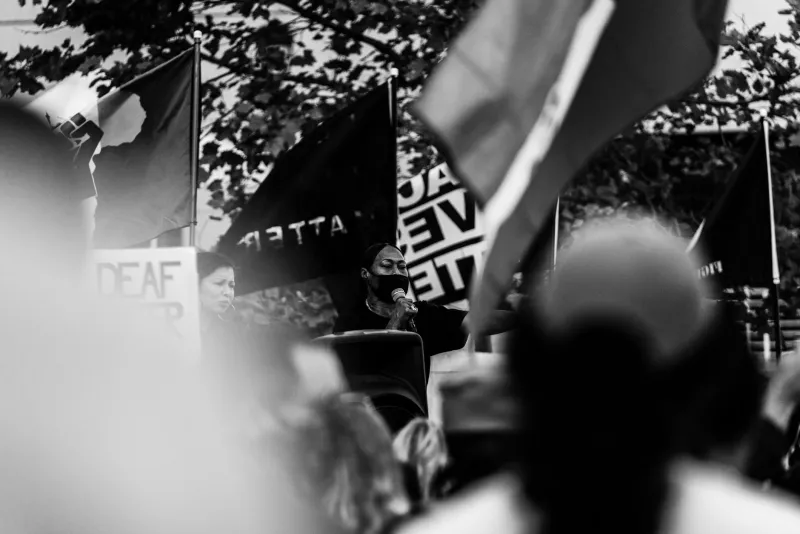
Sociologist Dr. Renata James at Howard University has studied emotional labor and its racial and gendered dimensions for over a decade. "The demand to perform positivity is not evenly distributed," she says flatly. "It falls hardest on the people who already have the least institutional power. The smile, in those contexts, isn't an expression of joy. It's a tax."
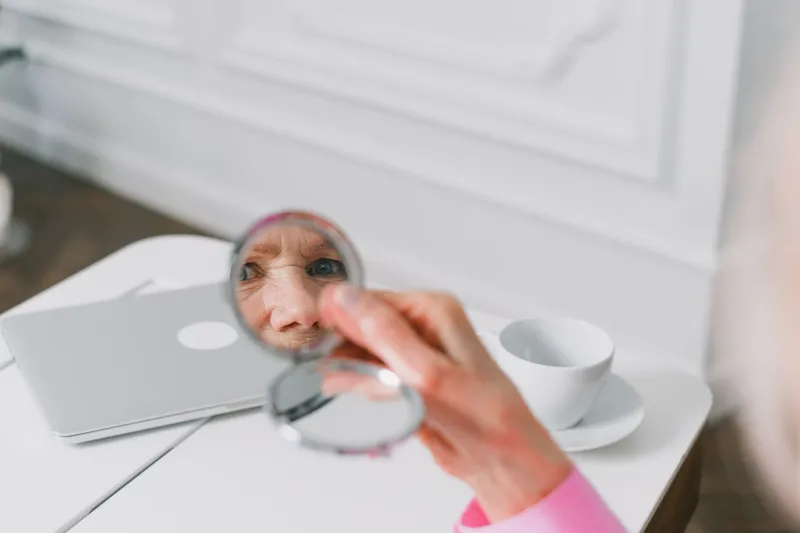
That tax has a cost that doesn't show up anywhere obvious — not in paychecks, not in performance reviews. It shows up in exhaustion. In the strange grief of realizing you've been managing other people's comfort with your face for so long that you've lost track of what your actual resting expression even looks like.
The RBF Conversation We Actually Need to Have
The phrase "resting bitch face" entered pop culture around 2013, launched by a satirical video that went viral almost instantly. It was meant to be funny — and for some people, it was. But embedded in the joke was something that wasn't funny at all: the idea that a woman's neutral expression is inherently hostile. That a face simply existing, not performing warmth, not actively curating itself for an audience, is a problem.
"What the RBF conversation actually exposed is that we have a cultural expectation that certain people's faces should always be doing emotional work for others," says Dr. James. "When they're not, we pathologize it. We give it a name. We make it a punchline."
That framing hit differently for a lot of people who had spent years being told their natural face was intimidating, cold, or aggressive — often people whose race or gender made their neutrality legible as a threat rather than just a face at rest.
And once people started naming that dynamic, something started to shift.
The Generational Break
Talk to younger Americans — particularly those in their twenties and early thirties — and you'll find a noticeably different relationship to performed positivity than the one their parents and grandparents navigated.
Kelsey Park, 27, a retail worker in Portland, Oregon, put it bluntly: "I grew up watching my mom smile through everything. Like, everything. Bad days, rude customers, people treating her like garbage. She'd come home and just crumple. I decided pretty early that I wasn't going to do that."
Kelsey describes a subtle but deliberate shift in how she manages her face at work. "I'm professional. I'm polite. But I stopped manufacturing a smile when there's nothing to smile about. And honestly? It feels like getting a piece of myself back."
This generational shift isn't just anecdotal. Research on workplace emotional labor consistently shows that younger workers are less willing to suppress authentic emotional expression than previous generations — and more likely to identify mandatory cheerfulness as a form of depletion rather than professionalism.
When Neutrality Is Mistaken for Something Else
Of course, opting out of performed happiness isn't consequence-free — and the consequences aren't evenly distributed, either.
DeAndre Williams, a 34-year-old project manager in Atlanta, has spent years navigating the specific way his neutral expression gets read in professional settings. "I'm a tall Black man. When I'm not smiling, people read that as threatening or unapproachable. It doesn't matter that I'm just... thinking. Or focused. Or just existing."
The emotional labor he describes isn't about manufacturing joy. It's about constantly monitoring his face to prevent other people's discomfort — a kind of expression management that his white colleagues simply don't perform.
"I've had to smile my way through conversations where I was the most qualified person in the room," he says. "Not because I was happy, but because I needed people to feel safe around me. That's exhausting in a way that's really hard to explain to someone who's never had to do it."
Reclaiming the Face You Actually Have
What does it look like to stop performing? For most people, it's less dramatic than it sounds. It's not about walking around with a scowl. It's about allowing your face to be honest — to reflect what's actually happening internally rather than what the social situation demands.
Therapists who work on emotional authenticity often describe this as one of the more quietly radical acts their clients undertake. "When someone stops managing their expression for other people's benefit, they often describe it as a kind of exhale," says therapist and author Mona Delacroix, who works with clients on embodied self-expression. "Like they've been holding their breath in their face for years and they finally just let it go."
The pushback, when it comes — and it does come — tends to reveal exactly what was being asked of them in the first place.
"The first time I stopped smiling on cue at my old job," says Kelsey, "my manager actually called me into his office and asked if I was okay. Not because he was concerned. Because my face wasn't doing what he needed it to do."
She paused. "That told me everything."
The Face That Belongs to You
At Faces of Yve, we believe every face holds a story worth telling. But maybe the more radical belief is this: every face also has the right to just be — without performing, without translating, without constantly converting itself into something more palatable for the room.
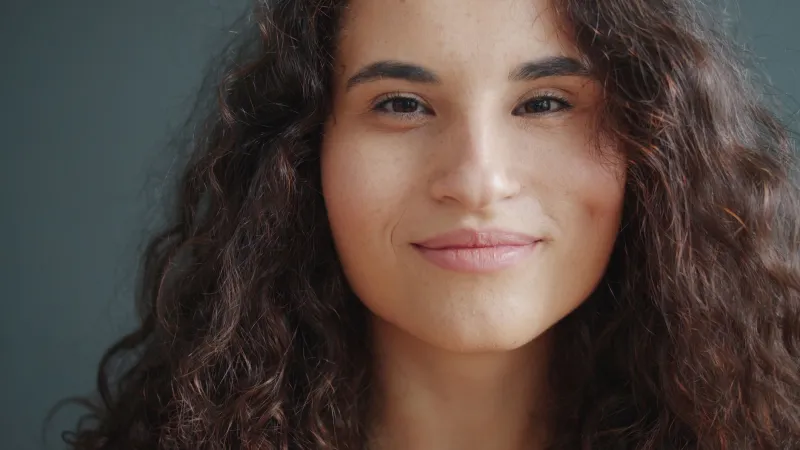
Your neutral face isn't a problem. It's not an invitation for feedback. It's not hostile or broken or in need of adjustment.
It's just yours. And that's already enough.