Delete That, Mom: The Kids Who've Been Famous Since Birth

Photo: Hmwith at English Wikipedia, Public domain, via Wikimedia Commons
Let's just say it plainly: millions of American kids never got to decide whether they wanted to be public. Their births were announced in captions. Their first steps got engagement. Their meltdowns, their potty training, their worst haircuts — all of it uploaded by well-meaning parents to an audience of hundreds, sometimes millions, before the kids could spell "privacy."
We call it sharing. The kids growing up inside it are increasingly calling it something else.
The First Generation With a Paper Trail Written by Someone Else
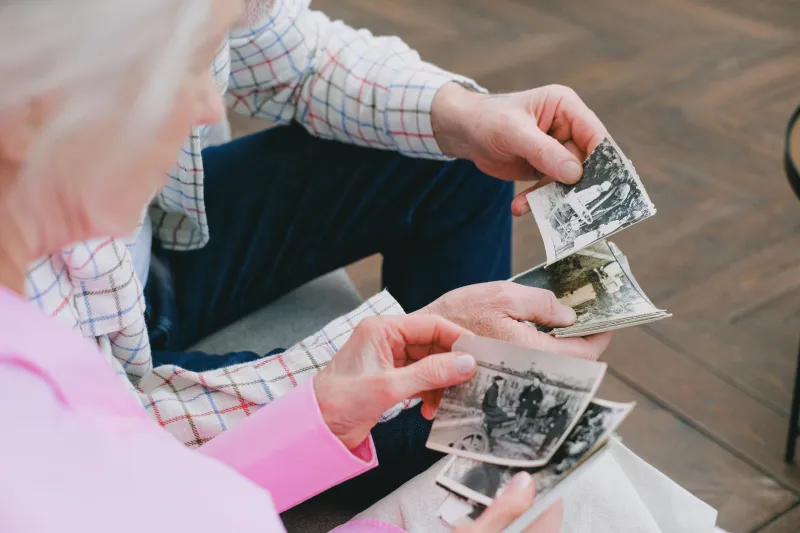
Every generation before this one had control, however imperfect, over their own childhood image. Your awkward phase lived in a physical album that your mom had to physically hand to your date. Embarrassing, sure. Bounded.
Today's teenagers have no such boundaries. Their childhoods are indexed. A middle schooler can be tagged in 400 photos she never approved, posted by relatives she sees twice a year, on platforms with memories longer than she is. And unlike a yearbook, this archive follows her — to college admissions officers, to future employers, to whoever she becomes.
Some of these kids are now old enough to push back, and push back they are. Teenagers are showing up at family dinners with actual requests: take it down, untag me, stop posting my face. Family therapists report a new and recurring appointment genre — parents hurt that their kids are "ashamed of the family," kids bewildered that their parents can't see the difference between a photo album and a broadcast.
It's Not Ingratitude. It's Consent.
The parental defense is almost always sincere: I was proud. I wanted to share you. I wasn't doing anything different than every other parent on the block.
All true. And all beside the point.
The issue isn't intent. It's that a child's image — their face, which is the most personal thing they will ever own — was treated as family content rather than family property. A toddler cannot consent to having her tantrum archived for strangers. A ten-year-old cannot weigh in on whether his first day of school belongs on a public feed with his full name and school in the caption. The adults decided. And now the kids are old enough to live with the decision, except they never made it.
Here's the uncomfortable analogy, and I'll make it anyway: we'd find it strange if a parent let strangers flip through a photo album of their child in the bathtub. What's the difference when the album is a feed and the strangers number in the thousands? The medium changed the math, and a lot of parents haven't updated theirs.
The New Family Etiquette
The good news is that a quieter counter-movement is taking hold in American households, and it looks a lot like families renegotiating from scratch.
Some parents have adopted what they call the "ask first" rule — no face posts without the kid's okay, renewable at any age and revocable at any time. Some families do a yearly audit together, going through old posts and deleting what the kids want gone. Some parents have gone further, scrubbing entire accounts, a kind of digital apology in action. And a growing number of parents simply post their kids' backs, their hands, the back of their head at the beach — a whole visual language of love that doesn't require a face.
Teens we heard from describe these negotiations as hard but worth it. "My mom cried when I asked her to take down the newborn stuff," one sixteen-year-old told us. "She heard 'I hate you.' That's not what I said. I said it's my face. We're good now. But it took a year."
A year. For a conversation about who owns a child's image. That's how new this territory is — and how badly the old scripts fail.
Look, nobody's arguing parents shouldn't love their kids loudly. Love them loudly. But a face isn't content. It's the beginning of a person's whole story, and every person deserves to write the first chapter themselves — or at least get a say in whether it gets published.
Delete that, Mom. Not because you did anything monstrous. Because it's not your face anymore. It never really was.